A wedding videographer costs $1,800 to $4,000 on average in 2026, with a national average around $2,500. Basic single-camera packages start near $800, while cinematic multi-camera productions run $8,000+. Wedding videography used to be considered optional, but it’s fast becoming a must-have — couples who skip it almost always say it’s their biggest regret.
The national average
Most couples spend $1,800 to $4,000 on wedding videography. The national average is around $2,500. You’ll find basic packages starting at $800 and cinematic productions running $8,000+.
What you’ll pay by tier
Budget ($600–$1,500): A solo videographer with 4-6 hours of coverage. You’ll get a highlight reel (3-5 minutes) and possibly raw footage. Equipment and editing quality vary widely at this price point.
Mid-range ($1,500–$4,000): One or two videographers, 6-10 hours of coverage, a cinematic highlight film (5-8 minutes), full ceremony and speeches edit, and drone footage in many packages. This is the sweet spot — professional quality without the premium price tag.
Premium ($4,000–$10,000+): Multiple camera operators, full-day coverage, same-day edit for reception viewing, documentary-style full film (20-40 minutes), highlight reel, and individual vendor deliverables. Cinematic color grading, licensed music, and faster turnaround.
What’s typically included
A standard mid-range package usually gives you a pre-wedding consultation, 6-8 hours of coverage, a highlight film (4-8 minutes), full ceremony edit, speeches/toasts edit, licensed music, and an online delivery platform.
Common add-ons include drone/aerial footage ($200-$500), raw footage files ($200-$500), same-day edit ($500-$1,500), extra hours ($200-$400/hr), social media cuts for Instagram/TikTok ($100-$300), and additional cameras or operators ($400-$800).
What affects the price
Number of videographers. One camera captures one angle. Two cameras let you see both the bride walking down the aisle and the groom’s reaction simultaneously. Big difference in the final product.
Equipment quality. Cinema cameras, stabilizers, drones, wireless audio — professional gear costs thousands to own and maintain.
Editing time. A polished 5-minute highlight film takes 20-40 hours to edit. A documentary cut takes even longer. You’re paying heavily for post-production skill and time.
Turnaround time. Standard is 8-16 weeks. Rush delivery (2-4 weeks) costs more.
Style. Cinematic (lots of movement, creative angles, color grading) costs more to shoot and edit than a straightforward documentary approach.
How to save money
Prioritize the highlight reel. Most couples rewatch the 5-minute highlight film dozens of times but rarely watch the full ceremony edit. You can save by getting a shorter package focused on the highlight.
Skip the drone. It’s cool, but if your venue doesn’t have dramatic grounds or a scenic landscape, aerial footage adds less value.
Reduce coverage hours. Getting ready footage is nice but not essential. Starting coverage at the ceremony instead of 3 hours prior can save $400-$800.
Hire a newer videographer. Like photography, talented newcomers often charge significantly less while building their portfolio. Review their complete sample films, not just Instagram clips.
Book your photographer and videographer as a pair. Some companies offer both services at a bundled discount.
Videography vs. photography priority
If budget forces you to choose, photography is still the safer bet — photos are displayed, shared, and revisited more often. But if you can afford both, videography captures things photos simply can’t: the vows in your own voices, your first dance with the music, the laughter during speeches. Most couples who invest in video say they’re glad they did.
Questions to ask before booking
The difference between a great videographer and a disappointing one usually shows in five minutes of conversation. Ask:
- Can I see a full wedding film, not just a highlight reel? Reels are edited to impress — full films show pacing, audio quality, and how they handle quieter moments. Every videographer should share at least one complete example.
- Who specifically will be filming my wedding? Larger companies sometimes send a different videographer than the one you saw on their website. Confirm the name of your lead videographer before signing.
- How will you handle audio during the ceremony? Audio is often the weak point in budget videography. Ask about backup recording for vows and officiant. Lapel microphones versus room mics make a significant quality difference.
- What’s your typical turnaround time? Standard is 8–16 weeks. If you have a specific deadline (honeymoon recap, anniversary), discuss it upfront.
- What happens if you have an emergency on my wedding day? Any professional should have a backup plan or network of colleagues they can call.
Contract considerations
A solid videography contract protects both sides. Look for:
- Specific deliverables listed — not just “highlight film” but “3–5 minute cinematic highlight film + full ceremony edit”
- Music licensing clause — professionally licensed music prevents your video from being muted on YouTube or Instagram
- Revision policy — one round of revisions is standard; unlimited revisions often means rushed first cuts
- Raw footage terms — do you own it? Is it stored long-term? Many videographers charge extra for raw files or delete them after delivery
- Editing style described — some contracts include a sample film link that defines the style you’re getting; hold them to it
2026 trends
Demand for wedding videography continues to grow as couples who watched COVID postponements realized how much they wanted footage of their actual day. In 2026:
- Vertical (9:16) social media edits are now a standard add-on, often included in mid-range packages
- Same-day edits are becoming more accessible at the mid-range price point
- AI-enhanced editing tools have reduced post-production time, which some videographers are passing along as slightly faster turnarounds
Frequently asked questions
How much does a wedding videographer cost on average? Most couples spend $1,800 to $4,000 on wedding videography in 2026, with a national average around $2,500. Basic single-camera packages start near $800, while cinematic multi-camera productions run $8,000 or more.
Why is wedding videography so expensive? Most of the cost is post-production. Editing a wedding film takes many hours on top of the filming day, and higher-tier packages add a second camera operator. You are paying for editing time as much as shooting time.
Is a wedding videographer worth it? For many couples, yes — those who skip it most often call it their biggest regret. Video is the one part of the day you cannot recreate afterward, which is why demand keeps climbing.
How much is a basic wedding video package? Basic packages start around $800. They typically include one shooter, a shorter highlight film, and lighter editing than mid-range or cinematic tiers.
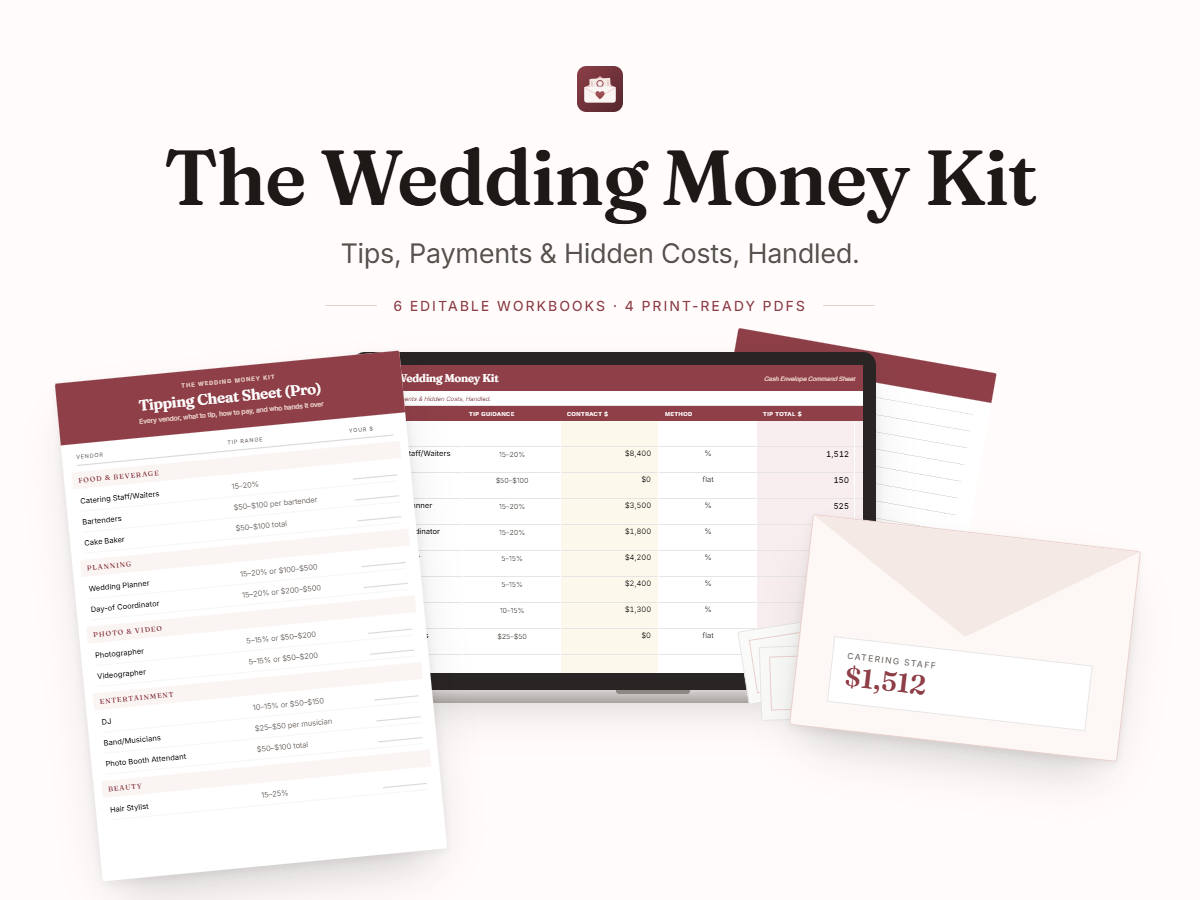
Do you tip a wedding videographer? A tip of $50 to $100 is standard, the same as photographers. If a second camera operator worked your wedding, tip them separately, usually $25 to $50.
Don’t forget the tip
Wedding videographers typically receive $50–$100, same as photographers. If there was a second camera operator, tip them separately ($25-$50).
Calculate tips for all your vendors with our free wedding tip calculator, and read our full guide on tipping your videographer. See where video lands overall when you allocate your budget across categories.
Prices reflect 2026 national averages based on industry surveys and wedding planning data.